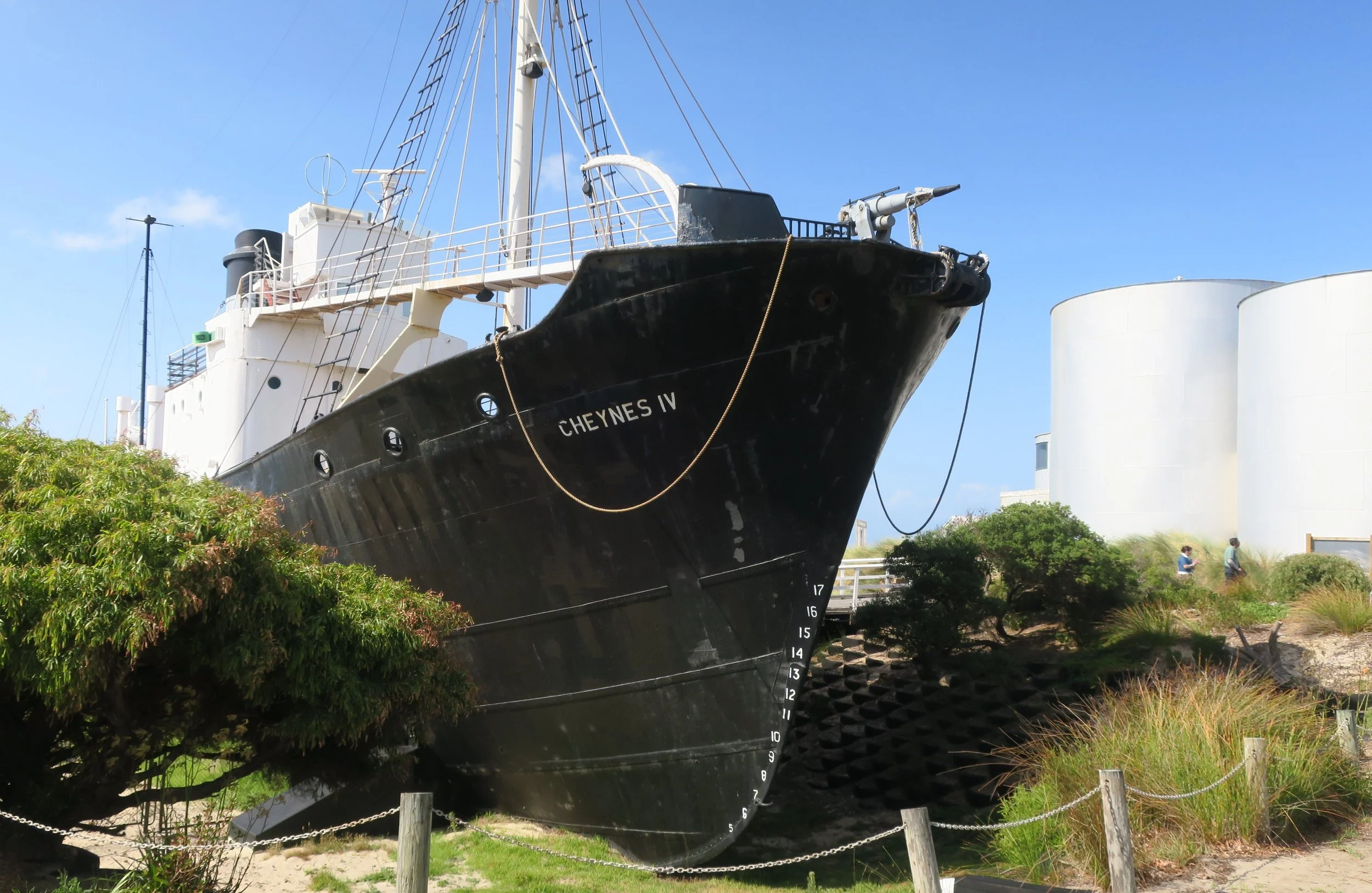
Cheynes IV Whale Chaser
This restored whale chaser vessel allows visitors to walk the decks and observe the equipment once used in the local industry.
Walk the decks to view the original harpoon apparatus.
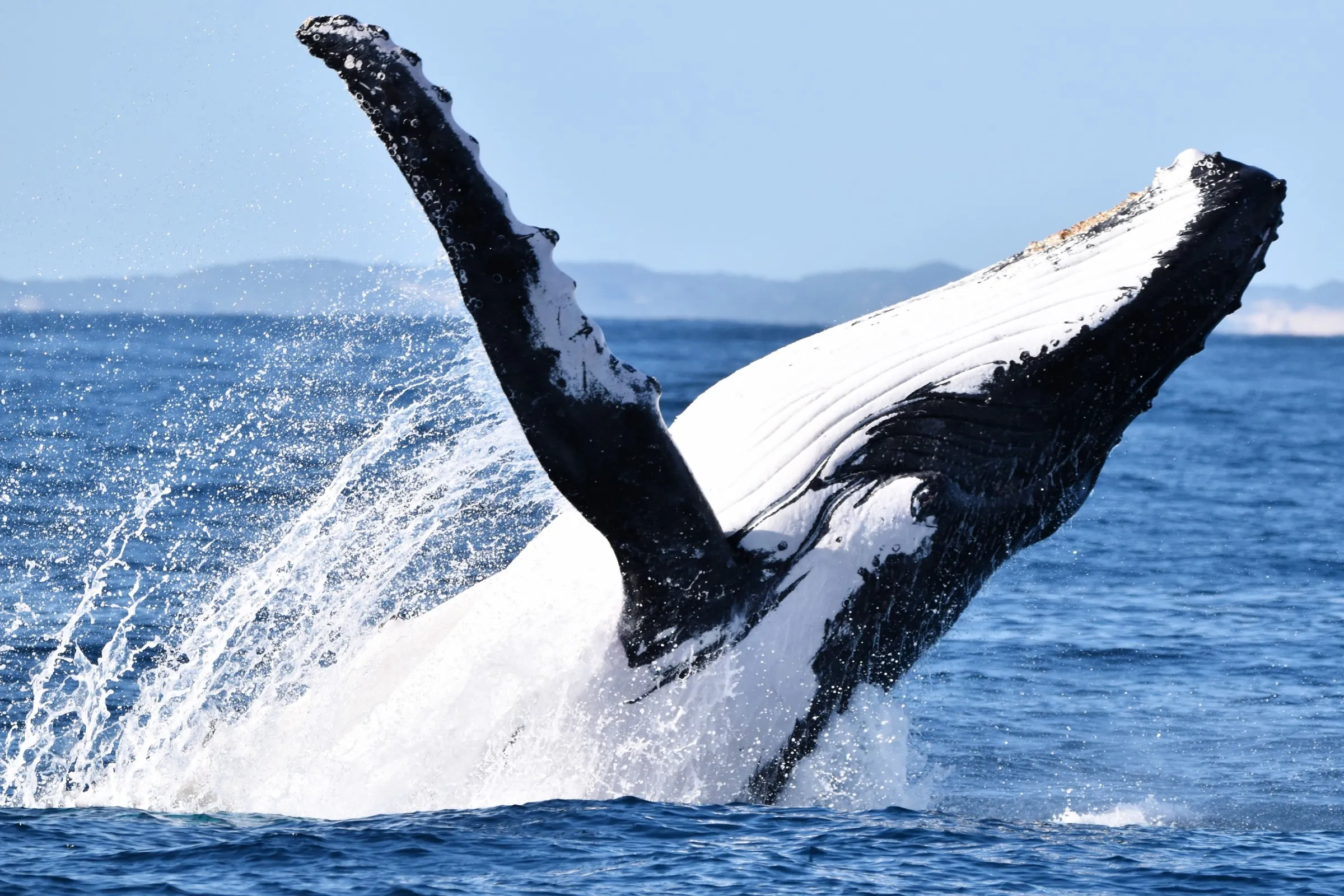
Albany sits at the crossroads of one of the world's great cetacean highways. Between June and October each year, humpback and southern right whales pass through King George Sound on their annual migration, close enough to shore that clifftop lookouts deliver sightings without a boat ticket.
Quick answer
Albany's whale watching season runs from June through October, with July and August offering the highest concentration of sightings. Southern right whales and humpback whales migrate through King George Sound during this window. Shore-based lookouts along Torndirrup National Park provide free vantage points, while boat tours depart from Emu Point and Princess Royal Harbour for closer encounters.
Albany recorded its first shore-based humpback whale sighting in 1963, more than three decades after the town's last whaling station closed. Today the same waters that once supplied Cheynes Beach Whaling Company host one of Australia's most reliable migration corridors, with peak activity compressed into a twelve-week window each winter. The town's geography creates natural theatre. King George Sound funnels migrating pods between Michaelmas Island and the granite headlands of Torndirrup, often within two hundred metres of shore. Southern right whales, distinguished by their callosities and lack of dorsal fin, favor the sheltered bays for calving and nursing. Humpbacks pass through in larger numbers, breaching and tail-slapping as they move between Antarctic feeding grounds and tropical breeding waters near the Kimberley. Where to see whales in Albany depends on whether you want the clifftop perspective or a vessel-based approach. The Gap and Natural Bridge lookouts in Torndirrup National Park offer elevated sightlines across the Southern Ocean swells where whales surface to breathe. Stony Hill, a dedicated whale lookout with interpretive signage, sits above Frenchman Bay and tracks the eastern migration route. Commercial operators run three-hour tours from Emu Point during the season, though shore watchers with binoculars often log sightings within minutes of arrival at peak times. Discovery Bay's Historic Whaling Station at 81 Whaling Station Road preserves the industry's material record—flensing platforms, try-pots, and the Cheynes IV catcher boat—against the same coastline where humpbacks now pass unmolested. The site operated until 1978, making it one of the last shore-based whaling operations in the southern hemisphere. Admission is 33 AUD and the station opens daily from 09:00 to 17:00, with last entry at 16:15 to allow time through the museum galleries and outdoor exhibits before closing.
“King George Sound funnels migrating pods between Michaelmas Island and the granite headlands of Torndirrup, often within two hundred metres of shore.”
The whale watching season in Albany spans from late May to early October, offering a significant window to observe humpback and southern right whales. Arriving early in the day provides the calmest water conditions, which generally improves visibility for sightings.
Cool, variable weather
Early arrivals often feature Southern Right whales seeking sheltered bays for calving.
Mild to cool, potential wind
Humpback whale activity intensifies as they navigate through King George Sound.
—
Consistent arrival times allow for a relaxed exploration of museum exhibits before heading to coastal lookouts.
Increasingly mild temperatures
Southern Right whales begin their departure with their calves, marking the end of the migration.
Verdict: For the best experience, plan your visit for a weekday morning between June and September to enjoy the most stable viewing conditions.
Discovery Bay Historic Whaling Station is open daily throughout the week to provide access to whale observation exhibits.
The Historic Whaling Station is located at 81 Whaling Station Road in Torndirrup, Western Australia. The site is most easily accessed by private vehicle or taxi from the Albany town center.
Follow Princess Royal Drive and Frenchman Bay Road toward Torndirrup National Park
Direct service from Albany city center
Ample parking is available on-site at 81 Whaling Station Road. Visitors should plan to arrive well before the final entry time of 16:15 to ensure sufficient time to view the exhibits.
Exploring the historical infrastructure and exhibits at Discovery Bay provides essential context regarding the migration patterns and biology of the whales observed in Albany's waters. These sites document the transition of the region from a whaling industry hub to a center for whale conservation and research.
This restored whale chaser vessel allows visitors to walk the decks and observe the equipment once used in the local industry.
Walk the decks to view the original harpoon apparatus.
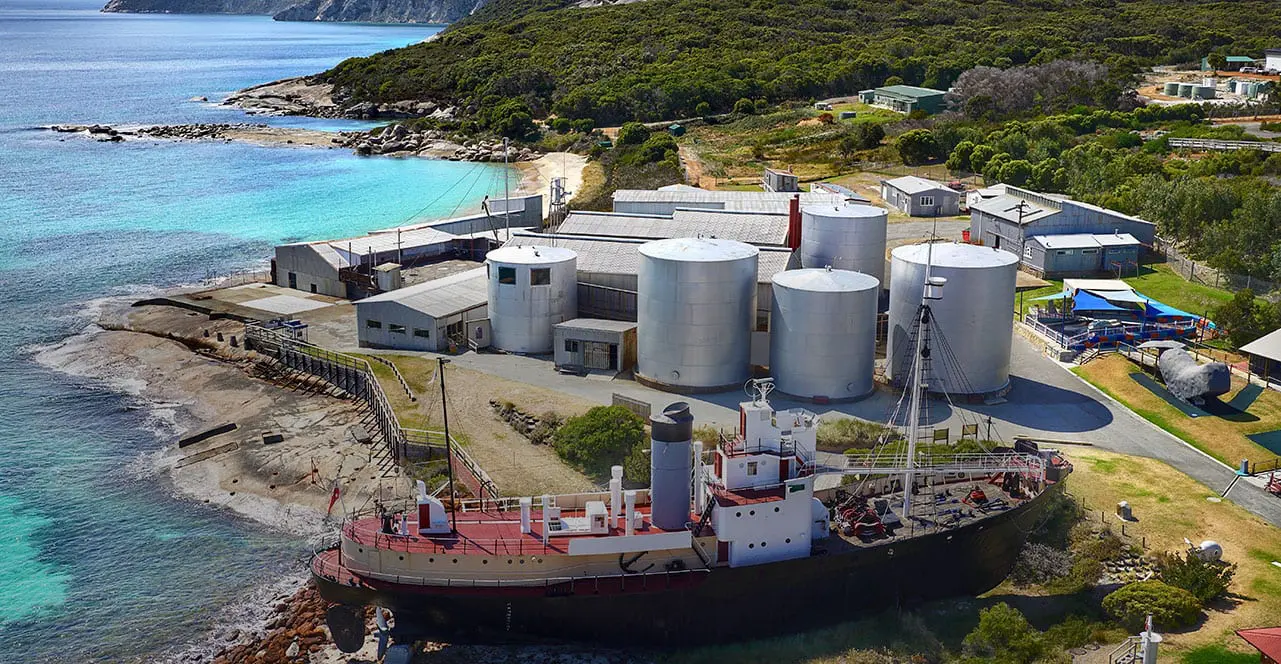
The processing factory exhibits demonstrate the industrial scale of past operations and the anatomy of whale species processed on-site.
Compare the scale of extraction equipment to whale models.
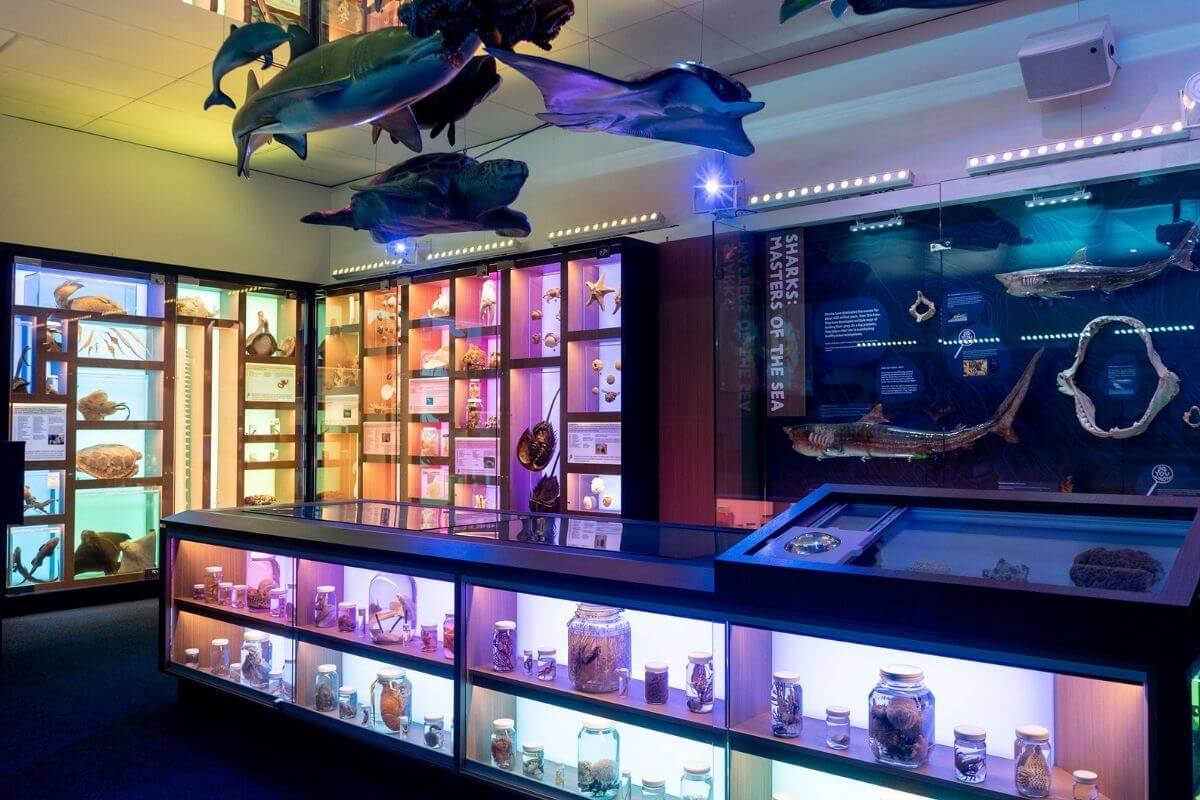
This exhibit space features biological displays, whale skeletons, and information regarding Southern Right and Humpback whale migrations.
Examine the skeletal structure to understand whale size.
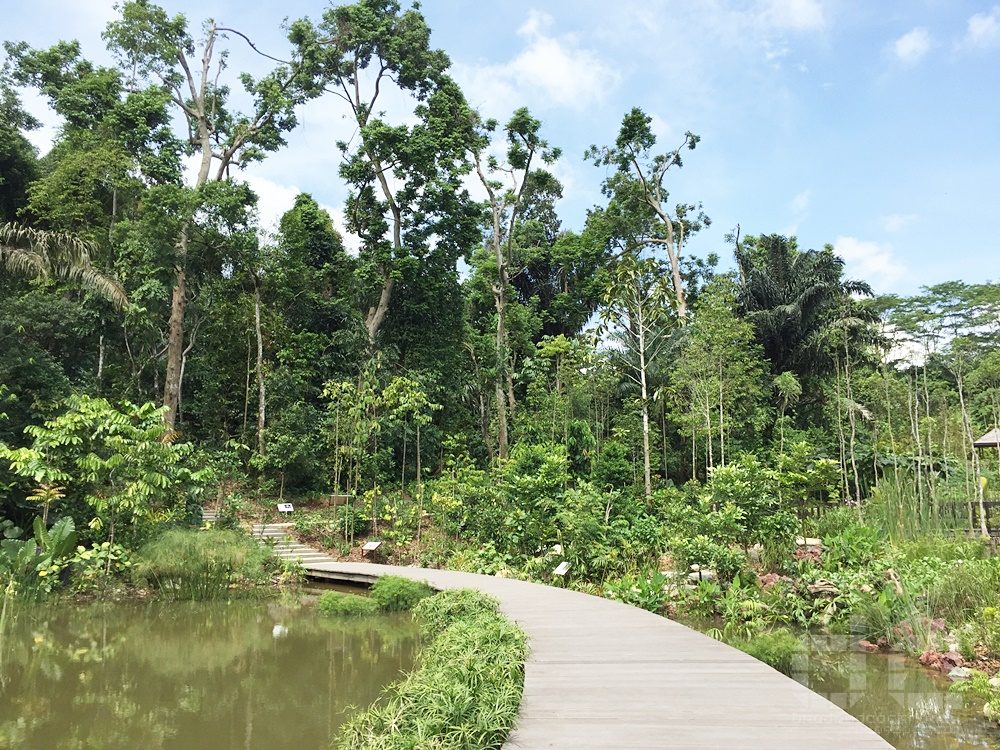
The grounds surrounding the station highlight local flora and provide vantage points overlooking the coastline toward the Southern Ocean.
Walk the trails for elevated coastal ocean views.
Exploring the coastline near the historic whaling station provides further opportunities for land-based whale spotting and coastal scenery. These locations are situated within Torndirrup National Park, allowing for a structured day of regional exploration.
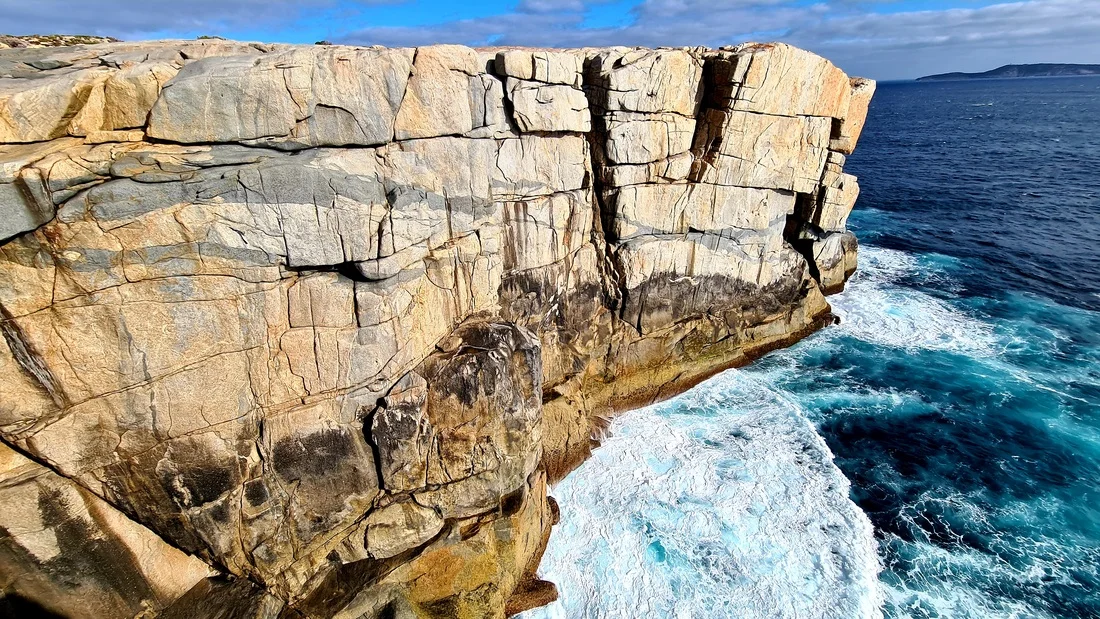
5 min drive
These geological formations offer high vantage points over the Southern Ocean that are suitable for observing whale migrations. The platforms provide wide sightlines across the water.
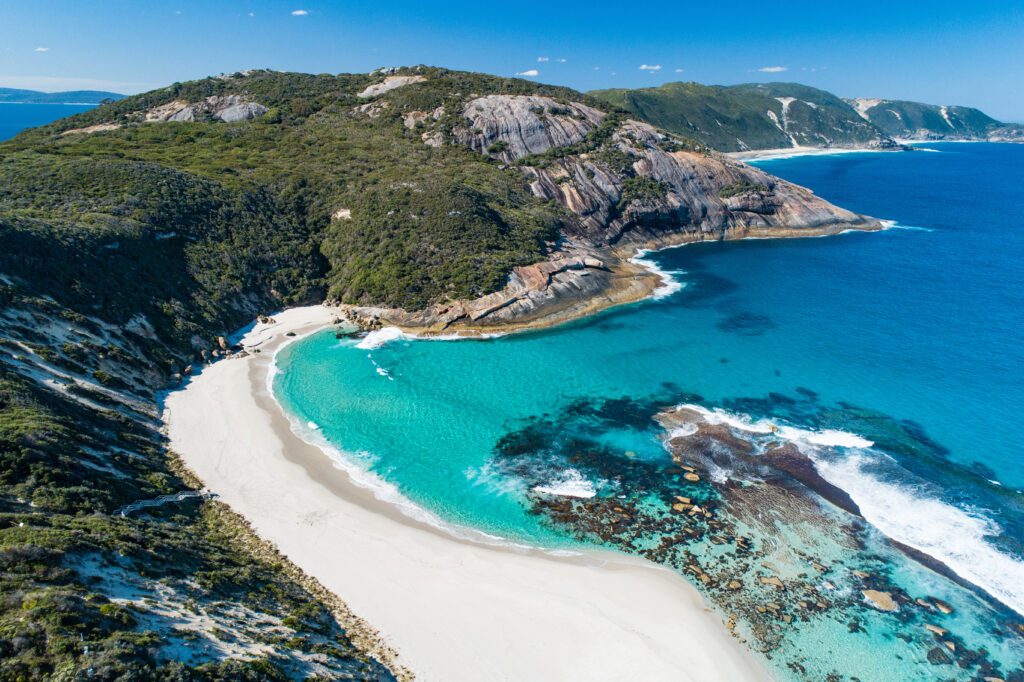
7 min drive
A popular coastal area protected by offshore islands, this spot is ideal for those continuing their observation of marine life from the shore. The sheltered waters are frequently monitored by visitors during the whale season.
10 min drive
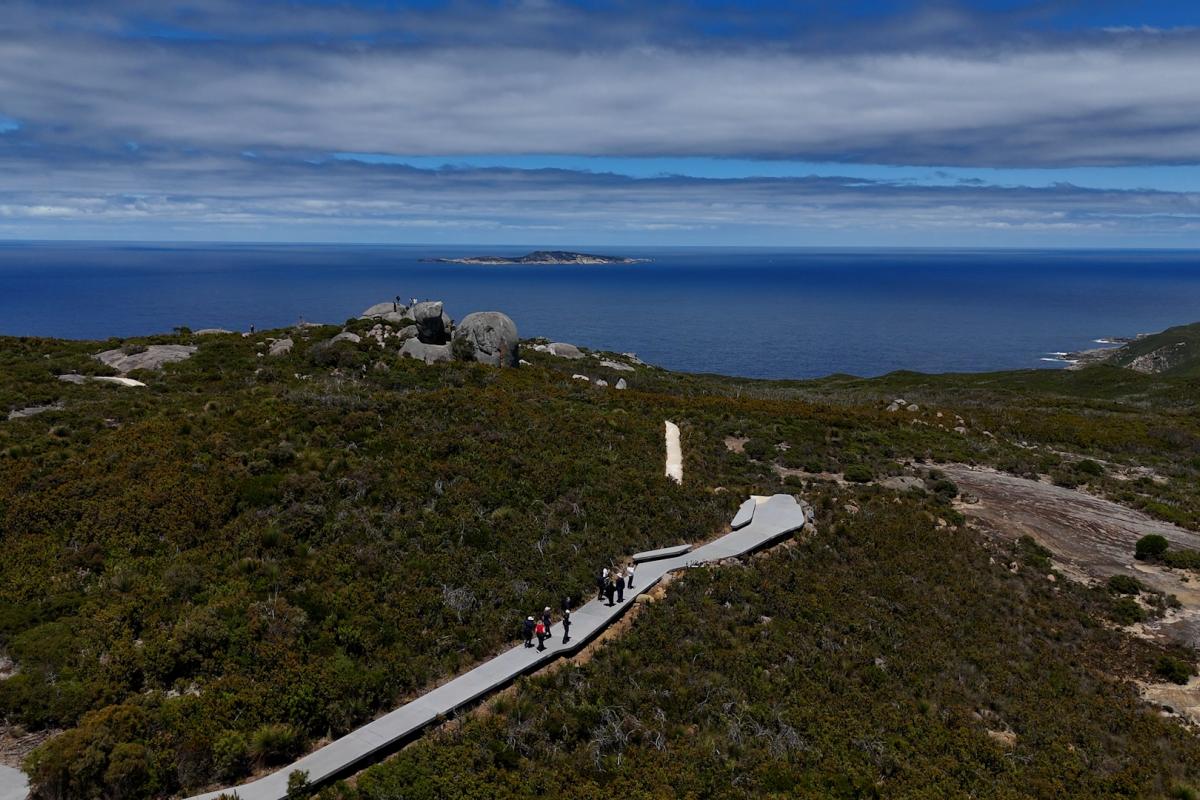
This location provides a high-altitude lookout over the park, offering a broader perspective of the coastline. It serves as a complementary stop for tracking whale movements across the bay.
Everything you need to know about where to see whales in albany
The Historic Whaling Station at Discovery Bay is a primary location where to see whales in albany through exhibits and coastal observation. This facility provides comprehensive information on the migratory patterns of humpback and southern right whales in the region.
To enhance your Albany whale watching trip, visitors often combine land-based viewing with the educational exhibits found at the historic site. This approach offers a deeper understanding of the local marine heritage and the conservation efforts surrounding these mammals.
Yes, visitors looking for where to see whales in albany can explore the preserved infrastructure of the old whaling station. The site serves as a museum where history and marine science intersect to document the local whaling past.
The adult entry fee for Discovery Bay is 33 AUD. This ticket grants access to the museum and the historic whaling station grounds where you can learn about the local coastal environment.
The site is open daily from 09:00 to 17:00. This schedule allows visitors to plan their trip to the facility with consistency throughout the week.
While boat tours offer offshore opportunities, the Discovery Bay grounds remain the best place where to see whales in albany through historical interpretation and coastal vistas. Educational displays help visitors identify whale species frequently spotted along the southern coastline.
The best arrival window is 09:00–16:15. Arriving by 16:15 ensures you have sufficient time to explore the exhibits before the final entry cutoff.