
English| EUR
Suggested for you
More currencies
Choose a language
Albany sits at the crossroads of one of the Southern Hemisphere's great marine migrations. Thousands of whales pass through King George Sound each winter and spring, turning the coastline into a natural amphitheater. Knowing when to arrive makes the difference between a distant fluke and a close encounter.
Quick answer
The best time of year for whale watching in Albany is June through October, when southern right whales and humpbacks migrate along the Western Australian coast. Peak sightings occur from late June to early September, with southern right whales often lingering in King George Sound to calve and nurse. Weather is calmest and visibility highest during morning hours in July and August.
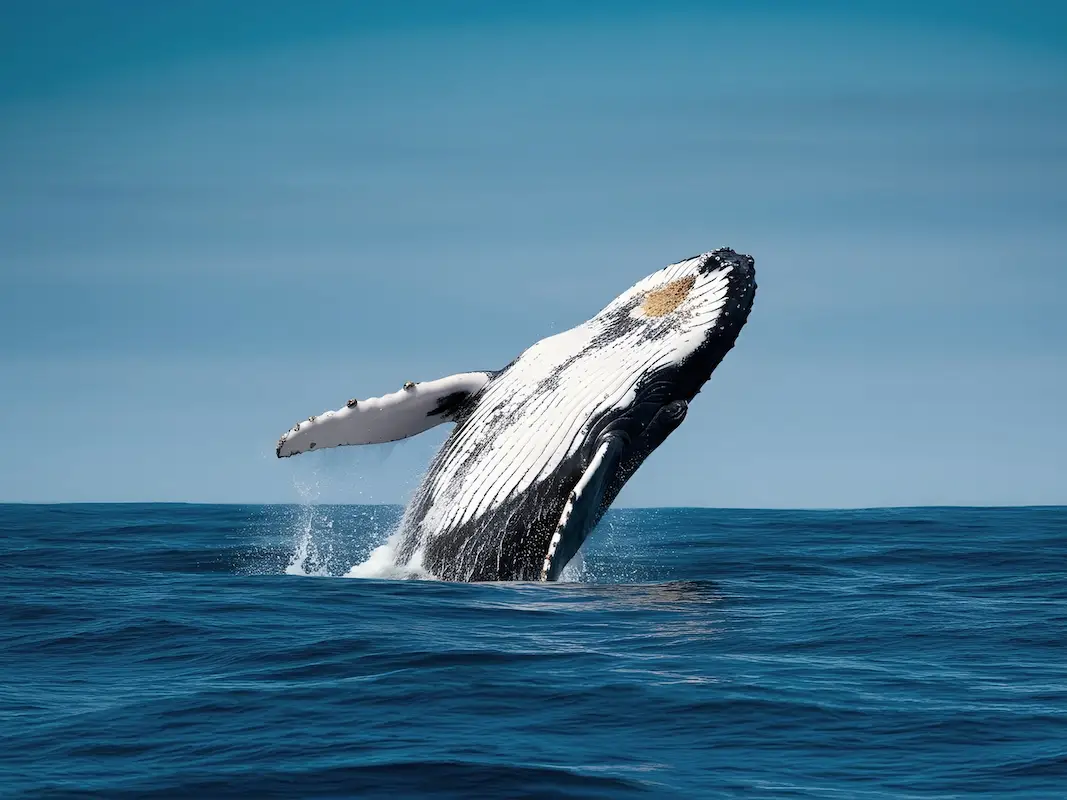
Albany's whaling history ended in 1978, but the cetaceans never stopped coming. Today the town records some of the highest whale encounter rates in Australia, not because of luck but because of geography. King George Sound offers sheltered waters where southern right whales pause to rest, and the continental shelf drops sharply just offshore, funneling humpbacks close to land as they travel between Antarctic feeding grounds and tropical breeding areas. Whale watching Albany best time of year begins in late May, when the first southern right whales appear in the sound. By mid-June, sightings become daily events. These whales are slow-moving and curious, often approaching boats and shoreline observers. Humpbacks arrive in greater numbers from July onward, their breaches visible from headlands like the Gap and Natural Bridge. September marks the peak of northbound humpback migration, with pods of mothers and calves passing within a few hundred meters of Middleton Beach. By late October, the season tapers as the last whales continue their journey north. Morning tours between 09:00 and 13:00 offer the best conditions. Wind builds through the afternoon, and the Southern Ocean swell can make offshore observation uncomfortable for those prone to seasickness. Land-based viewing from Torndirrup National Park requires no booking and costs nothing, but boat tours from Emu Point and Albany Marina bring you within permit-regulated distances of the animals. Operators report that August delivers the most consistent sightings, with multiple species often visible in a single outing. The decision to visit Albany for whales hinges on this migration calendar. June and July are coldest but least crowded. August balances weather, whale numbers, and tour availability. September sees the highest volume of humpbacks but also peak visitation. October offers late-season sightings with warmer conditions and fewer boats. The southern right whale population is still recovering, making each sighting a marker of ecological repair. Humpback numbers, by contrast, have rebounded so strongly that the spectacle now rivals the migrations off Hervey Bay and the Ningaloo Coast.
“King George Sound offers sheltered waters where southern right whales pause to rest, and the continental shelf drops sharply just offshore, funneling humpbacks close to land.”
The whale watching season in Albany typically runs from June to October, when Southern Right and Humpback whales migrate through local waters. For the best conditions, plan your visit during the morning arrival window of 09:00–13:00 to take advantage of calmer sea states.
Cool, 12°C–16°C; frequent rain
Southern Right whales begin their migration and seek shelter in the bays. Early season viewing offers sightings of mothers and calves.
Cool to mild, 13°C–17°C
This is the peak of the migration period for Humpback and Southern Right whales. Frequent surface activity is common during these months.
Mild, 14°C–19°C
Whale numbers begin to taper off as pods head toward feeding grounds. This period remains a viable window for late-season spotting.
—
The 09:00–13:00 arrival window provides optimal visibility. Calm morning waters are preferred for boat tours and shoreline observation.
Verdict: The best time to visit is during the peak migration months of August and September, arriving between 09:00 and 13:00 for optimal sea conditions.
The facility maintains consistent daily opening hours to assist with your whale watching arrival planning.
Admission costs for whale watching in Albany depend entirely on whether you choose land-based observation or a commercial boat excursion. Land-based viewing is available at no cost to the public.
Verdict: Land-based viewing is free, while boat tours involve additional costs set by private operators.
Whale watching departure points and viewing areas are centered at Toll Place, Albany, WA 6330, Australia. The waterfront is most easily reached via car or local taxi services traveling toward the Albany central business district.
Follow Albany Highway (State Route 30) into the city center toward Toll Place
Direct service to Toll Place from Albany city center
Walk via the Albany Waterfront from York Street
Plan your arrival for the 09:00–13:00 window, as morning tours are typically calmer with better conditions for whale spotting.
Prepare for optimal whale watching conditions with these essential steps.
Everything you need to know about whale watching albany best time of year
The whale watching Albany best time of year generally falls between June and October when migratory species frequent the southern coast. Planning your trip during these months provides the highest probability of spotting these marine mammals in their natural habitat. Many visitors find that the whale watching Albany best time of year offers calm seas and clear visibility for both boat-based and coastal observation. Understanding the whale watching Albany best time of year helps travelers align their schedules with peak activity levels during the migration season. As the climate varies, checking local reports remains a wise step when considering the whale watching Albany best time of year. Land-based viewing is free and available year-round at various coastal vantage points, while boat tours provide closer proximity to pods. These specialized marine excursions offer a different perspective of the coastline compared to standing on the shore. Viewing platforms around the region allow for spotting behaviors like breaching and tail slapping from the safety of the land. Our recommended best arrival window is between 09:00 and 13:00 to take advantage of calmer morning conditions. Arriving early often ensures better visibility for spotting activities on the water. Entrance to public viewing areas is 0 AUD, though fees apply for private boat tours. Please verify specific boat tour rates directly through official channels as these are not managed here. The office is open from 09:00 to 16:00, Monday through Sunday, to assist with inquiries. We recommend checking with local operators for age requirements and safety guidelines for children on tour vessels. Most tours accommodate families, but it is best to confirm availability for smaller children before your visit. Be prepared with weather-appropriate clothing, binoculars, and a camera to document your coastal experience.